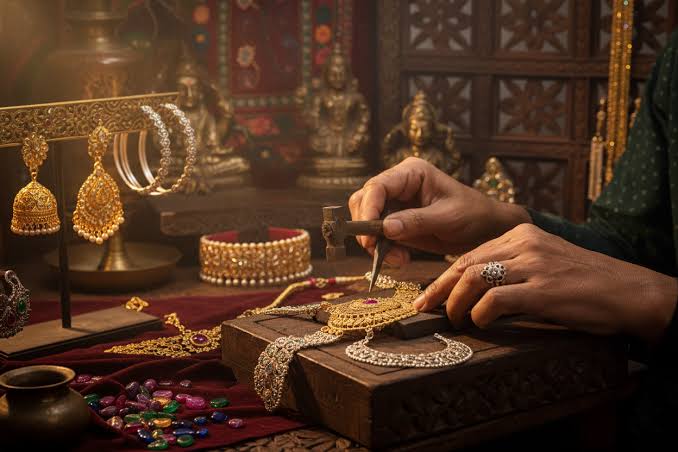
When you commission a piece of jewelry crafted from materials that hold deep personal significance, you are entrusting an artisan with something far more valuable than precious metals or gemstones. These materials, whether they include cremated remains, hair, or ashes, require not only technical skill but also sensitivity, discretion, and a profound understanding of the emotional weight behind the work. Finding the right artisan for this delicate process involves careful consideration of their qualifications, experience, and approach to working with such meaningful materials. The decision you make will directly influence how well the final piece honors the memory or relationship it represents. This guide outlines the essential qualities and credentials you should evaluate when selecting an artisan for this profoundly personal work.
Understanding the Artisan’s Experience and Credentials
Before committing to an artisan, you should thoroughly investigate their background in working with personal materials. An experienced artisan will have completed numerous projects involving cremated remains, hair, or other intimate materials, and they should be able to provide examples of their previous work. Their portfolio should demonstrate not only technical excellence but also a consistent ability to handle sensitive commissions with care and respect. You may ask for references from previous clients, though you should understand that many people prefer privacy regarding these commissions. Additionally, the artisan should be able to explain their specific process for working with your materials, including how they ensure safety, integrity, and proper handling throughout the creation process.
Evaluating Communication and Discretion Practices
The ability to communicate clearly and listen attentively is essential when working with an artisan on emotionally significant projects. You should expect the artisan to ask detailed questions about your vision, the significance of the materials, and any special considerations or preferences you have for the finished piece. Throughout your conversations, the artisan should demonstrate respect for the sensitive nature of your request and maintain confidentiality about your project. They should provide regular updates on the progress of your commission and be available to address any concerns or modifications you may wish to make. An artisan who takes time to understand your needs and responds thoughtfully to your questions is more likely to create a piece that truly resonates with you. Poor communication or a dismissive attitude toward the emotional significance of your materials should serve as a clear warning sign.
Assessing Technical Skill and Customization Capabilities
The technical proficiency of an artisan directly affects the quality and longevity of your finished piece. You should inquire about the materials they use for the jewelry itself, including the metals, settings, and any additional components, to ensure they meet your standards for durability and aesthetics. An artisan skilled in working with personal materials should be able to explain the specific techniques they employ to incorporate your materials safely and securely into the jewelry design. Families seeking a point of reference for what thoughtful, handcrafted work in this specialty can look like often explore resources such as Keepsake Mom jewelry, which illustrates the range of options available for preserving a loved one’s memory through wearable art. You may also want to ask about customization options such as different metals, stones, sizes, and design styles to ensure the artisan can bring your vision to life. Requesting detailed examples of similar completed work can help you gauge whether their technical abilities align with your expectations.
Reviewing Pricing, Policies, and Guarantees
Understanding the financial aspects of your commission helps you make an informed decision and avoid unexpected complications. You should request a detailed quote that breaks down the costs of materials, labor, and any additional services or customization fees, which allows you to budget appropriately and understand exactly what the creation process entails. Beyond cost, you should review the artisan’s policies regarding deposits, payment schedules, timelines, and what happens if there are issues with the final piece. Many reputable artisans offer some form of guarantee or warranty on their work, and this protection is particularly relevant when personal materials are involved. You should also clarify the artisan’s refund or revision policy in case the finished piece does not meet your expectations or if modifications are necessary. According to the Gemological Institute of America, understanding quality benchmarks in jewelry craftsmanship is an important part of evaluating any jeweler’s work before you commit to a commission.
Conclusion
Selecting an artisan who creates jewelry from the most personal materials requires careful evaluation of multiple factors beyond basic technical skill. You should prioritize an artisan with substantial experience in handling sensitive commissions, a demonstrated ability to communicate respectfully, and a strong commitment to discretion and confidentiality. Assessing their technical expertise, customization options, and transparent pricing practices will help ensure that your commission receives the attention and craftsmanship it deserves. Take time to review their portfolio, speak with references if possible, and ask detailed questions about their process and capabilities. The artisan you choose will play a significant role in creating a meaningful tribute to the memory or relationship your jewelry represents, making this selection one of the most important steps in bringing your vision to reality.