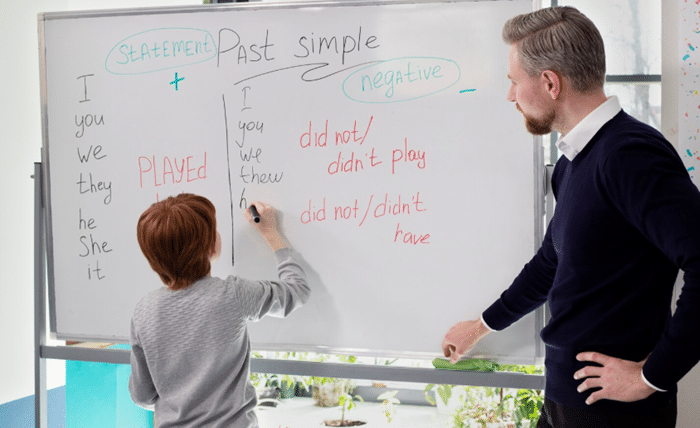
Creating an organized classroom environment requires consistent attention and intentional strategies. Teachers often face the challenge of maintaining their learning spaces while managing instruction, student behavior, and administrative responsibilities. A well-kept classroom supports better teaching outcomes, reduces distractions, and demonstrates professionalism to students, parents, and administrators. Establishing systems and routines early in the school year makes ongoing maintenance far less overwhelming.
Develop a Daily Cleaning Routine
A structured daily cleaning schedule prevents clutter from accumulating and keeps your classroom functional. Start by identifying 10 to 15 minutes at the end of each school day for basic tidying, such as sweeping areas where students eat or work, wiping down desks, and organizing materials that have been scattered throughout the day. Assign student helpers or rotate responsibility so that maintenance becomes a shared classroom duty rather than falling solely on your shoulders. Students benefit from learning organizational skills and develop ownership of their learning environment when they contribute to its upkeep.
Establish specific zones for cleaning tasks so the process stays efficient. For example, one student might be responsible for organizing the bookshelf, another for clearing the whiteboard and organizing markers, and another for ensuring that chairs are pushed in and the floor is clear of debris. By making cleanup predictable and role-based, students know what is expected and can complete tasks quickly. This routine prevents the classroom from deteriorating into disorganization and sets a professional standard for the space.
Organize Storage Systems That Work
Effective storage is the foundation of classroom management and cleanliness. Invest in clear bins, shelving units, and labeled containers so that every material, resource, and supply has a designated home. When items have specific places, students and staff can easily locate what they need and return materials where they belong. Open shelving with transparent containers allows you to see inventory at a glance, making it easier to identify when supplies are running low or when something has been misplaced.
Label storage areas clearly and consistently. Use color-coded systems, printed labels, or picture labels if you teach younger students who may not read fluently yet. Establish a rule that students must return materials to their designated locations before moving to a new activity. This prevents materials from ending up on desks, floors, or in random corners of the classroom. A well-organized storage system also saves you time because you spend less energy searching for items and more time focusing on instruction.
Manage Paperwork and Documentation
Paper management is one of the biggest sources of classroom clutter. Establish a system for student work that includes assignment trays, folders, or digital platforms depending on your grade level and teaching style. Decide which papers need to be kept and for how long, and create a filing system that makes sense for your curriculum and record-keeping needs. For example, you might keep formative assessments in one file, graded work in another, and reference materials in a third location.
Reduce unnecessary paperwork by going digital when possible. Many schools now use learning management systems or digital submission platforms that eliminate the need to store physical copies of every student assignment. If you do use paper, establish a consistent schedule for clearing out old or irrelevant documents. Set a rule that papers older than a certain period are either filed away, recycled, or discarded unless they serve a specific archival purpose. This approach keeps your desk clear, prevents overwhelming paper piles, and makes your classroom feel more spacious and intentional.
Create Systems for Student Materials
Student belongings and materials can quickly create chaos if you do not have a clear system in place. Assign cubbies, lockers, or designated areas where students store their personal items, backpacks, and completed work. Make it clear what is acceptable to keep in these spaces and establish expectations that students will keep their areas organized. Conduct regular checks to ensure that these spaces are not becoming dumping grounds for trash or unnecessary items.
Implement a system for collecting, organizing, and returning student work by providing clearly labeled folders or trays where students place completed assignments. Establish a consistent schedule for reviewing and returning work so that students treat materials with care and know what to expect. Consider having students maintain their own portfolios or folders where they keep examples of their best work, creating a record of academic progress that can be shared with families and used for reflection. Teachers who also need to track student movement around the building can use a digital hall pass to maintain accurate records without adding extra paperwork to an already busy classroom environment.
Maintain Bulletin Boards and Wall Displays
Bulletin boards and wall displays should enhance your classroom rather than create visual clutter. Plan your displays intentionally, choosing themes and materials that align with current units of study or classroom goals. Refresh displays regularly so that outdated posters, student work, or decorations do not pile up on your walls. Aim to change major displays at least monthly or as frequently as your curriculum shifts.
Keep displays clean and organized by using consistent borders, backgrounds, and spacing. Remove items that are torn, faded, or no longer relevant to your current teaching. This practice maintains a polished, professional appearance and signals to students that you care about the quality of the learning environment. Well-maintained displays also serve an instructional purpose, providing visual reference points for content, expectations, and classroom procedures.
Conclusion
Keeping your classroom organized and clean requires a combination of systems, routines, and intentional decision-making. By developing a daily cleaning routine, creating functional storage systems, managing paperwork effectively, organizing student materials, and maintaining your displays, you establish an environment that supports learning and demonstrates professionalism. These strategies do not require expensive resources or dramatic overhauls. Instead, they rely on consistency, clear expectations, and the involvement of your students in maintaining their shared space. When you invest time early in the school year to establish these practices, classroom maintenance becomes manageable and sustainable, freeing you to focus your energy on instruction and student relationships.