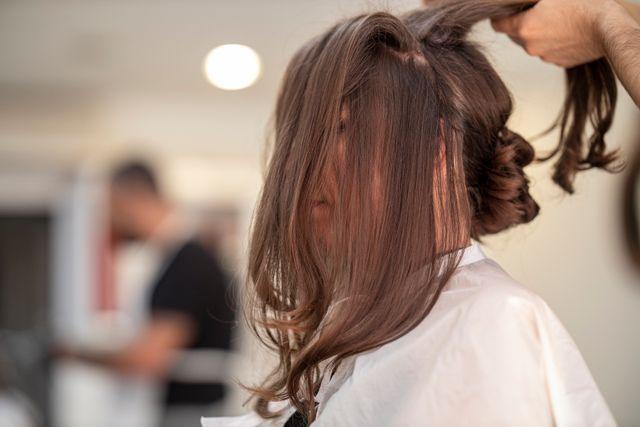
For many people, hair is deeply personal. It reflects identity, signals confidence, and functions as a form of self-expression that feels entirely their own. Getting from the current reality to the exact look someone has in mind, though, is rarely a straightforward journey. Beauty professionals bring together technical skill, product knowledge, and genuine interpersonal awareness to guide clients through that process in a way that feels supportive rather than overwhelming.
Understanding What Clients Actually Want
One of the most underappreciated abilities a beauty professional develops over time is knowing how to translate a client’s vision into something workable. Clients often show up with photos saved on their phones, half-formed descriptions, or references that are genuinely difficult to interpret with precision. A skilled stylist listens carefully, asks thoughtful follow-up questions, and is honest about what is and is not realistic. Hair texture, density, lifestyle, and willingness to commit to a maintenance routine all factor into any solid recommendation. That opening conversation is not just a formality; it sets the tone for every decision that follows.
Stylists who are truly good at this recognize that what a client says they want and what will actually work for them do not always align. A color that looks stunning on a celebrity may require a very specific underlying tone or hair condition to pull off. A cut that appears effortless in a photo might demand 45 minutes of daily styling to replicate. Strong professionals navigate this gap with honesty and creativity, helping clients make informed choices rather than walking away with unmet expectations.
Addressing Hair Loss and Volume Concerns
Hair thinning and loss affect a significant portion of the adult population, yet many clients feel uncertain or even embarrassed about raising the topic. Beauty professionals who specialize in this area work to create a comfortable, judgment-free space where clients can speak candidly about what they are experiencing. From there, a professional can assess the extent and pattern of thinning and suggest targeted solutions. Those might include specific styling techniques, density-building products, scalp treatments, or supplementary hairpieces designed to blend naturally with existing hair.
One solution that has gained considerable traction in recent years is the use of a quality hair topper, which is a partial hairpiece designed specifically to add volume and coverage to the crown area. Unlike a full wig, this option allows clients to keep their natural hair at the sides and nape while addressing the areas most affected by thinning. Beauty professionals trained in fitting and styling these pieces can customize them to match color, texture, and density so the finished look feels and appears completely natural. For clients managing early to moderate hair loss, this kind of solution can make a meaningful difference in how they feel day to day.
The Role of Education in Long-Term Hair Health
Helping a client leave the salon looking their best is only part of what a beauty professional does. Equally important is making sure that client knows how to protect and maintain those results at home. Professionals who take time to explain why certain techniques or products work are making a genuine investment in their clients’ long-term hair health. That might mean demonstrating how to properly use a diffuser, clarifying the difference between moisturizing and protein treatments, or walking someone through a daily routine that actually fits their schedule.
Education also covers the cumulative impact of heat styling, chemical processing, and environmental exposure on hair integrity over time. When clients understand the reasoning behind professional guidance, they tend to follow through with it rather than reverting to old habits between appointments. That kind of collaborative dynamic consistently produces better outcomes and builds the sort of trust that keeps clients coming back.
Customizing Techniques for Diverse Hair Types
The beauty industry has made real progress toward recognizing and respecting the full range of hair types and textures. Skilled professionals understand that techniques suited to straight, fine hair can cause damage or deliver poor results on coily or highly textured hair. Thorough training means learning to adapt cutting, coloring, and treatment approaches across different hair structures, and that versatility reflects genuine respect for every client who sits down in the chair.
Customization also extends to a client’s current hair condition. Someone recovering from chemical damage requires a very different approach than someone working from a healthy, untreated baseline. Professionals who take the time to evaluate each client individually rather than defaulting to a generic method consistently produce stronger results and reduce the risk of avoidable setbacks.
Conclusion
The relationship between a beauty professional and a client is built on trust, skill, and clear communication. Achieving dream hair is rarely the result of one product or one appointment; it is the outcome of an ongoing partnership shaped by expertise and genuine care. Whether someone is pursuing a dramatic change, managing hair thinning, or simply trying to keep their hair in good condition, the guidance of a knowledgeable professional matters. When that expertise is paired with the right tools and a commitment to personalized service, the results tend to speak for themselves.