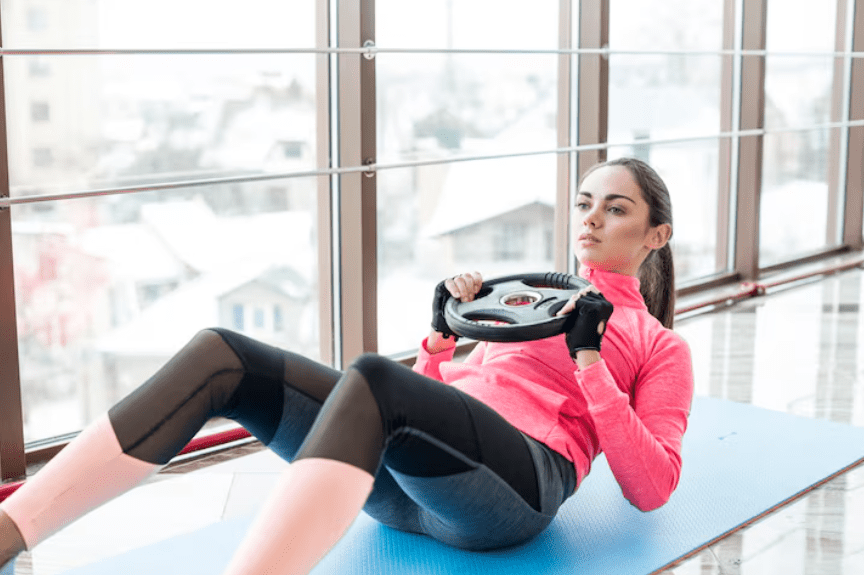
Pilates is a widely practised form of exercise known for its focus on improving core strength, flexibility, and posture. It traditionally involves bodyweight movements performed on a mat or specialised equipment. However, the introduction of small weights into Pilates workouts has expanded the exercise’s benefits and versatility. These small weights serve as effective tools to enhance strength training while maintaining Pilates’ low-impact nature.
Enhancing Muscle Engagement with Small Weights
One of the primary advantages of incorporating small weights into Pilates is the increased muscle engagement they promote. By adding resistance, small weights challenge the muscles more intensely during Pilates exercises. This increased resistance helps to build muscular strength and endurance, particularly in the upper body, shoulders, and arms.
Improving Bone Density
Using small weights in Pilates workouts supports bone health by encouraging weight-bearing activity. Resistance training has been consistently shown to improve bone mineral density, thereby reducing the risk of osteoporosis and related fractures. Pilates combined with small weights provides a safe and effective way for individuals to maintain or improve their bone health.
Supporting Controlled Movements and Stability
Pilates emphasises controlled and precise movements, often guided by breathing techniques and alignment. Adding small weights to these movements requires greater stability and control, enhancing neuromuscular coordination. This additional challenge promotes improved balance and proprioception, benefiting overall body awareness.
Customisable Resistance for All Fitness Levels
Small weights are typically available in a range of light to moderate weight increments, making them accessible to people of varying fitness capabilities. Beginners can start with the lightest options to familiarise themselves with weighted exercises, while more advanced practitioners can gradually increase resistance to maintain challenge and progression.
Enhancing Fat Burn and Caloric Expenditure
The incorporation of small weights into Pilates promotes increased muscle activation, which in turn raises energy expenditure during and after workouts. Although Pilates is not traditionally considered an intense cardiovascular activity, adding resistance can improve its effectiveness in supporting weight management and fat loss.
Targeting Specific Muscle Groups
Many Pilates exercises are designed to engage multiple muscle groups simultaneously. However, by integrating small weights, practitioners can more effectively isolate and target specific areas, such as the arms, shoulders, or upper back. Concentrated resistance work complements the comprehensive nature of Pilates and supports balanced muscle development.
Maintaining Pilates’ Low-Impact Nature
Despite the introduction of weights, Pilates remains a low-impact form of exercise. Small weights allow for strength-building without the strain on joints associated with high-impact or heavy lifting activities. This makes Pilates with small weights an appropriate choice for individuals recovering from injury or those with joint sensitivities.
Encouraging Progressive Overload
Progressive overload—the gradual increase of resistance or intensity—is a fundamental principle of strength training. Using small weights in Pilates facilitates this by enabling systematic resistance increases in line with the practitioner’s improving strength. This method supports steady gains and minimises the risk of plateaus or injury.
Complementing Traditional Pilates Equipment
Pilates often utilises specialised equipment such as reformers, cadillacs, and barrels to provide resistance and support. Small weights serve as a complementary tool that can be used in conjunction with or independent of this equipment. Their portability and ease of use allow for resistance training beyond the studio environment.
Enhancing Endurance and Muscle Tone
Repetitive, controlled movements with small weights improve muscular endurance and help to tone the body. This aligns with Pilates’ objectives of developing a lean and functional physique. Consistent use of weights within the workout routine contributes to enhanced muscle definition and posture.
Facilitating Mind-Body Connection
The use of small weights in Pilates demands increased concentration to maintain proper form and alignment. This focus enhances the mind-body connection, an essential aspect of Pilates practice. The heightened awareness achieved during weighted exercises can translate to improved movement quality in daily activities.
Offering Versatility and Variation
Small weights introduce new dimensions to Pilates workouts by allowing for a broader range of exercises and variations. This versatility helps practitioners avoid workout monotony and encourages adherence to a consistent exercise routine. Variety in training is also key to comprehensive muscular development.
Supporting Rehabilitation and Injury Prevention
Due to their manageable size and weight, small weights are often recommended in rehabilitation settings. They enable gentle strengthening of muscles without overloading healing tissues. Regular use helps improve joint stability and muscular imbalances, reducing the likelihood of future injuries.
Cost-Effective and Accessible Equipment
Small weights are relatively affordable compared to larger gym equipment or Pilates machines. Many practitioners purchase their own sets to use at home or during travel. This accessibility encourages consistent practice and complements studio-based Pilates classes effectively.
Integrating Small Weights Safely
While small weights provide numerous benefits, proper technique and gradual progression are crucial to prevent strain or injury. Working with a qualified Pilates instructor can help individuals learn how to incorporate weights safely into their routine. Attention to posture, breathing, and joint alignment remains essential when adding resistance.
Conclusion: Maximising Pilates with Small Weights
In summary, adding small weights to Pilates workouts offers significant advantages. These include enhanced muscle strength, improved bone density, increased caloric burn, and sustained control during movements. Small weights maintain Pilates’ low-impact nature while enabling progressive overload and targeted muscle training. Their versatility and affordability make them a practical addition for Pilates practitioners of all levels seeking to diversify and intensify their workouts safely.