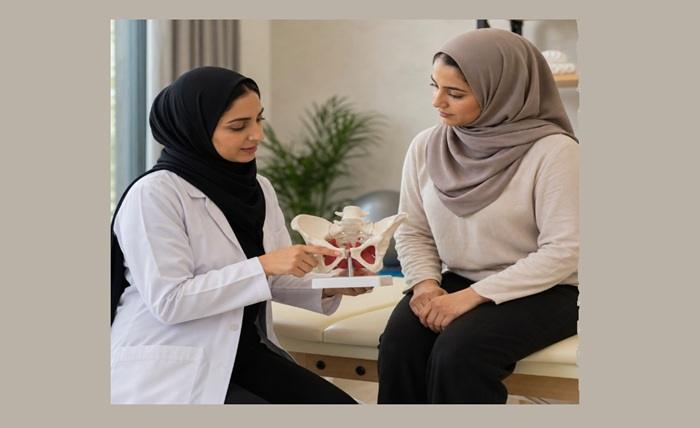
Pelvic floor dysfunction is one of the most underdiagnosed and undertreated conditions affecting both men and women across all age groups. Despite its prevalence, many people delay seeking help due to embarrassment, lack of awareness, or uncertainty about where to turn. In Abu Dhabi, access to specialized pelvic floor care has grown significantly in recent years, offering patients a structured, evidence-based path toward recovery. Understanding what pelvic floor treatment involves, who it benefits, and how to choose the right provider can make a meaningful difference in outcomes and overall quality of life.
Understanding the Pelvic Floor and Why It Matters
The pelvic floor is a group of muscles, ligaments, and connective tissues that form the base of the pelvis. These structures support the bladder, bowel, and uterus in women, and the bladder and bowel in men. When these muscles become too weak, too tight, or poorly coordinated, a range of symptoms can emerge — including urinary incontinence, pelvic pain, painful intercourse, constipation, and a feeling of heaviness or pressure in the pelvic region.
Pelvic floor dysfunction can result from childbirth, surgery, hormonal changes, chronic straining, or even prolonged periods of high-impact exercise. In many cases, the condition develops gradually and worsens without targeted intervention. This is why early assessment and appropriate treatment are so important. Left unaddressed, pelvic floor issues can interfere with daily activities, sleep, relationships, and emotional well-being.
Who Can Benefit from Pelvic Floor Therapy?
Pelvic floor therapy is not exclusively for postpartum women, though it is commonly associated with that population. Men recovering from prostate surgery, individuals with chronic pelvic pain, athletes dealing with stress incontinence, and older adults experiencing bladder control issues can all benefit from a structured pelvic floor rehabilitation program.
Common Conditions Treated
Specialists in pelvic floor care address a wide spectrum of conditions. These include stress urinary incontinence, urgency incontinence, pelvic organ prolapse, interstitial cystitis, vaginismus, dyspareunia, and post-surgical rehabilitation following gynecological or urological procedures. Each condition requires a tailored approach, which is why a thorough initial assessment is the foundation of any effective treatment plan.
The Role of Multidisciplinary Care
Effective pelvic floor treatment rarely involves a single discipline. Physiotherapists, gynecologists, urologists, colorectal surgeons, and pain specialists often collaborate to address the full complexity of a patient’s condition. This integrated model ensures that both the physical and functional aspects of pelvic floor dysfunction are treated simultaneously, rather than in isolation.
What to Expect During Pelvic Floor Treatment
A typical pelvic floor treatment program begins with a comprehensive evaluation. The clinician will review the patient’s medical history, symptoms, lifestyle factors, and any previous treatments. A physical assessment may follow, which can include an internal examination to evaluate muscle tone, strength, and coordination. While this may feel unfamiliar or uncomfortable for some patients, it is a standard and clinically necessary component of accurate diagnosis.
Treatment modalities vary depending on the diagnosis. Manual therapy techniques, biofeedback, electrical stimulation, therapeutic exercises, and behavioral strategies are among the most commonly used approaches. Patients are typically given a home exercise program to complement their in-clinic sessions, and progress is monitored regularly to adjust the treatment plan as needed.
How Long Does Treatment Take?
The duration of pelvic floor therapy varies considerably from person to person. Some patients notice meaningful improvement within four to six weeks, while others with more complex or long-standing conditions may require several months of consistent treatment. Adherence to the home program and lifestyle modifications — such as dietary changes, fluid management, and posture correction — play a significant role in determining how quickly progress is made.
The Connection Between Holistic Health and Pelvic Recovery
Pelvic floor health does not exist in isolation. Inflammation, hormonal imbalances, nutritional deficiencies, and systemic fatigue can all influence how well the pelvic muscles function and recover. Increasingly, clinicians are recognizing the value of integrating broader wellness strategies into pelvic rehabilitation. For example, NAD+ IV therapy and its role in cellular energy restoration has attracted attention as a complementary approach for patients dealing with chronic fatigue and tissue repair challenges. While it is not a replacement for targeted pelvic floor physiotherapy, such adjunct therapies may support the body’s overall capacity to heal and respond to treatment.
Choosing the Right Specialist for Pelvic Floor Care in Abu Dhabi
Selecting the right provider is one of the most important decisions a patient can make. Pelvic floor dysfunction requires a clinician with specific training, clinical experience, and the ability to communicate sensitively about intimate health concerns. Patients should look for a provider who conducts a thorough initial assessment, explains the treatment rationale clearly, and involves the patient in decision-making throughout the process.
When evaluating potential providers, it helps to ask specific questions about their experience with your particular condition, the techniques they use, and what outcomes you can realistically expect. For guidance on how to approach these conversations effectively, the American Heart Association’s resource on finding the right doctor offers practical advice that applies across medical specialties, including pelvic health.
Cleveland Clinic Abu Dhabi’s Pelvic Floor Program
For patients in the UAE seeking a high standard of specialized care, Cleveland Clinic Abu Dhabi offers a dedicated program designed to address the full range of pelvic floor conditions. The program brings together experienced physiotherapists, gynecologists, and urologists who work collaboratively to develop individualized treatment plans. Patients benefit from access to advanced diagnostic tools, evidence-based treatment protocols, and the internationally recognized clinical standards that define the Cleveland Clinic brand. The program is designed to be both clinically rigorous and patient-centered, ensuring that individuals feel supported and informed at every stage of their care journey.
Taking the First Step Toward Pelvic Health
For many people, the hardest part of addressing pelvic floor dysfunction is simply acknowledging that the problem exists and that help is available. Symptoms that have been normalized — such as leaking urine when sneezing, avoiding social activities due to urgency, or experiencing persistent pelvic discomfort — are not inevitable parts of aging or childbirth. They are treatable conditions that respond well to appropriate intervention.
If you have been experiencing any of the symptoms described in this article, seeking a professional evaluation is the most important step you can take. Accessing quality pelvic floor treatment abu dhabi through a reputable multidisciplinary program can help you regain control, reduce discomfort, and return to the activities that matter most to you.
Conclusion
Pelvic floor dysfunction affects millions of people worldwide, yet it remains widely misunderstood and frequently undertreated. With the right clinical support, most patients experience significant improvement in their symptoms and overall function. Whether your concerns relate to bladder control, pelvic pain, or post-surgical recovery, specialized pelvic floor therapy offers a structured, evidence-based route to better health. In Abu Dhabi, patients now have access to world-class care that combines clinical expertise with a compassionate, individualized approach — making recovery not just possible, but achievable.