Buying a home is a decision that can shape everyday life for years. Beyond the excitement of finding a property, the real question is how well the home fits the way people live, work, and grow.
For those exploring residential apartments, the right choice may not always be the one that looks impressive at first glance. Small details in the development, its surroundings, and the experience it offers can influence how a home feels over time.
So, what should buyers look for before making their choice? Let us explore what can set a high-quality residential apartment apart in today’s market.
Key Features That Shape a Better Living Experience
A home’s quality depends on several factors shaping comfort, convenience, and long-term suitability. Considering these elements together can help buyers make a more informed choice when comparing residential apartments.
- Location That Supports Everyday Convenience
Location remains one of the most important factors when evaluating residential apartments. A well-positioned home can provide easier access to workplaces, schools, healthcare facilities, shopping areas, public transport, and major roads.
The surrounding neighbourhood also matters. Established infrastructure, upcoming developments, and connectivity to important parts of the city can influence everyday convenience and the long-term appeal of a residential location.
- Construction Designed for Long-term Use
Construction quality influences the durability, comfort, and maintenance requirements of a home. Buyers can examine the materials used, structural planning, ventilation, natural lighting, and overall finish when comparing residential apartments.
Thoughtful construction should also consider how residents use their homes every day. Practical layouts, functional spaces, and appropriate attention to structural and building standards can contribute to a more dependable living environment.
- Amenities That Add Practical Value
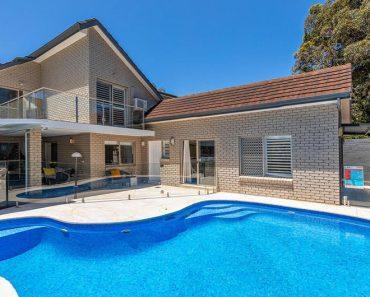
Amenities can make a residential community more useful when they respond to genuine lifestyle needs. Fitness areas, swimming pools, children’s play spaces, sports facilities, gardens, and multipurpose areas can support recreation and everyday activities.
The quality of amenities matters more than the number available. Well-maintained facilities that different age groups can use comfortably can add practical value to residential apartments without making the community feel unnecessarily crowded.
- Security for Greater Peace of Mind
A high-quality residential community should provide appropriate security measures for residents and common areas. Controlled access, surveillance systems, visitor management, trained security personnel, and well-lit shared spaces can contribute to a safer environment.
Security planning should also cover entrances, parking areas, recreational facilities, and other commonly used spaces. These measures can help residents feel more comfortable while using different parts of the community.
- Sustainable Living Features
Sustainable planning is becoming an important consideration for modern residential apartments. Features such as rainwater harvesting, energy-efficient lighting, waste management, water conservation, and landscaped open spaces can support more responsible resource use.
Good sustainability planning can also improve everyday living. Natural ventilation, daylight, efficient common-area systems, and thoughtfully designed green spaces can contribute to comfort while reducing unnecessary resource consumption.
- Lifestyle and Community Spaces
A home becomes more engaging when residents have spaces to interact, relax, and pursue different interests. Clubhouses, community halls, gardens, indoor recreation areas, outdoor spaces, and social zones can encourage interaction among residents.
These spaces can support different routines, from quiet leisure and family activities to community gatherings. For people comparing residential apartments, the balance between private homes and shared spaces can influence the overall character of the development.
- Builder Reputation and Track Record
The builder behind a project can influence confidence in its planning, construction, delivery, and overall standards. Buyers can research the developer’s completed projects, experience, quality practices, regulatory compliance, and approach to customer service.
It is also useful to examine the consistency of the builder’s residential portfolio rather than relying solely on advertisements or individual project claims. Reviewing established developers can make the process of comparing residential apartments more informed.
Together, these factors can give buyers a clearer understanding of what contributes to a high-quality home beyond its initial appearance. Financial readiness also plays an important role in turning that preference into a practical purchase decision. Tools such as a home loan eligibility calculator can help buyers understand their potential borrowing capacity and plan their search accordingly.
Choosing Quality That Works Beyond First Impressions
A high-quality home should continue to feel practical after the initial excitement of buying it has passed. The best choices tend to reflect how residents want to spend their time, what they value in their surroundings, and the kind of community they want to be part of.
For buyers exploring residential apartments, paying attention to the details behind the design can make the selection process more meaningful. Quality should feel evident in everyday experiences, from returning home after a long day to spending weekends within the community.
Many builders, such as Casagrand, are developing residential communities with an emphasis on thoughtfully planned homes and shared environments. For a buyer, the right apartment is ultimately one that feels comfortable, dependable, and suited to the life they want to build.