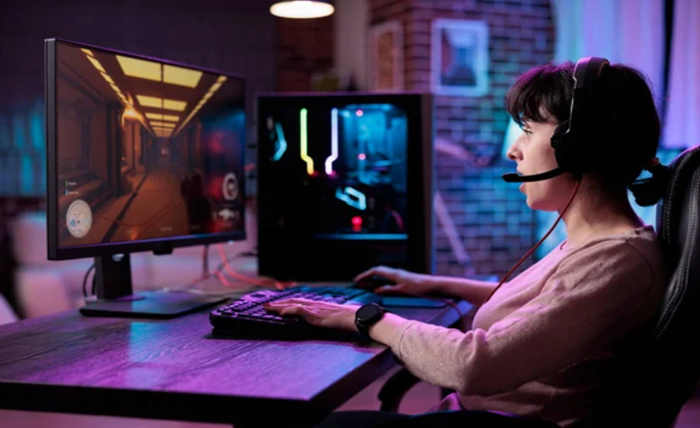
Have you noticed how gaming is no longer just something people do alone after school, college, or office?
Today, games are part of daily chats, online communities, live streams, college events, and even serious career plans. This big shift has happened because of the rise of esports.
Esports means competitive gaming where players or teams compete in organized matches. It can happen online or in front of a live audience. Over the years, esports has changed how people see games, how players connect, and how gaming culture has grown around the world.
How Esports Changed the Way People See Gaming
Earlier, many people saw gaming as only a hobby. It was something for fun, time pass, or relaxation. But esports has made gaming look more structured and skill-based.
Today, many players practise regularly, study game strategies, improve teamwork, and take part in tournaments. This has helped people understand that modern gaming needs focus, quick thinking, discipline, and communication.
Gaming Is Now Seen as a Skill
Esports has shown that gaming is not only about pressing buttons fast. A good player needs many skills, such as:
- Fast decision-making
- Team coordination
- Sharp focus
- Strategy planning
- Good timing
- Calm thinking under pressure
Just like cricket or chess, competitive gaming also needs regular practice. Players learn from mistakes, watch match replays, and improve step by step.
More Respect for Gamers
Because of esports, gamers are getting more respect than before. Families and friends are slowly understanding that สล็อตเว็บตรง gaming can also build useful skills. Not everyone needs to become a professional player, but the culture around gaming has become more accepted.
Many young people now talk openly about gaming interests, esports tournaments, and online matches without feeling awkward.
Esports and Online Gaming Communities
Esports has made gaming more social. People no longer play only with nearby friends. They connect with players from different cities, states, and countries.
These communities are a big part of modern gaming culture. Players discuss strategies, share tips, celebrate wins, and learn from each other.
A Space for Shared Interest
Gaming communities work like small digital hangout places. People join because they like the same game or style of play. Over time, they build friendships and regular groups.
Common activities in gaming communities include:
- Discussing match updates
- Sharing gameplay clips
- Learning new tactics
- Finding teammates
- Joining small tournaments
- Watching live matches together
This makes gaming feel more connected and enjoyable.
Teamwork Becomes Important
In many esports games, teamwork matters more than individual performance. Players must talk clearly, trust each other, and make quick group decisions.
This has influenced casual gaming too. Even normal players now focus more on teamwork, roles, and planning. The idea of “playing together properly” has become a major part of online gaming culture.
The Role of Esports in Youth Culture
Esports has become popular among students and young working people. It gives them a space to relax, compete, and connect with others.
For many young people, gaming is not only entertainment. It is also a topic of discussion, a social activity, and sometimes even a learning space.
Gaming as a Social Activity
Earlier, people would meet to play outdoor games or board games. Now, many friends also meet online to play video games together. This has become very normal.
A simple gaming session can feel like a group hangout. Friends talk, laugh, plan, and enjoy the match. In Indian daily life, it is like saying, “Aaj raat ko game khelte hain,” and everyone joining after dinner or study time.
Esports in Colleges and Events
Many colleges and youth events now include gaming competitions. These events help students show their skills and enjoy healthy competition.
Such activities also teach:
- Team management
- Time control
- Communication
- Problem-solving
- Confidence during competition
This is one reason esports has become an important part of youth gaming culture.
How Esports Influences Game Design
Esports has also changed how FAFA828 games are made and updated. Game developers now think about competitive balance, fair matches, clear rules, and viewer experience.
This has made modern games more organized and easier to follow for both players and audiences.
Focus on Fair Competition
A good esports game needs balance. No player should get an unfair advantage because of poor design. So, competitive games often focus on equal chances, clear scoring, and skill-based progress.
Here is a simple table to understand the difference:
| Feature | Casual Gaming | Esports Gaming |
| Main purpose | Fun and relaxation | Competition and skill |
| Play style | Flexible | Structured |
| Team role | Optional | Often important |
| Practice | Not always needed | Very important |
| Audience | Usually small | Can be large |
Both styles are valuable. Esports does not replace casual gaming. It adds another layer to gaming culture.
Better Viewing Experience
Esports has made games more watchable. Matches are designed in a way that viewers can understand what is happening. Clear maps, scores, timers, and player stats help audiences enjoy the game even if they are not playing.
This has helped gaming become a shared entertainment activity, just like watching a sports match with friends.
Esports and Career Awareness
Esports has opened new career discussions around gaming. Professional players are one part of it, but the gaming ecosystem includes many other roles too.
This has helped people see gaming culture in a wider way.
Careers Beyond Playing
Not everyone in esports has to be a top player. There are many related areas, such as:
- Event management
- Game analysis
- Coaching
- Content creation
- Community management
- Video editing
- Commentary
- Tournament operations
This has made gaming culture more professional and diverse. People with different skills can take part in the esports world.
Learning Discipline Through Competition
Esports also teaches discipline. Players who compete seriously need to manage time, practise properly, communicate well, and stay focused. These habits can be useful in studies, work, and daily life too.
The main point is balance. When gaming is done with planning and responsibility, it can be a positive part of modern life.
The Future of Gaming Culture with Esports
Esports will continue to shape how people play, watch, and talk about games. As internet access improves and more people join online communities, gaming culture will become even more connected.
The future of esports is not only about big tournaments. It is also about local events, student competitions, casual communities, and better understanding of gaming as a skill-based activity.
More Inclusive Gaming Spaces
Modern gaming culture is becoming more open. Players from different backgrounds can join, learn, and participate. Esports helps create spaces where people connect through shared interest rather than location or language.
This is especially important in a country like India, where people from different regions can play together and enjoy the same game.
Healthy Gaming Habits Matter
As esports grows, healthy habits are also important. Players should take breaks, manage screen time, and keep gaming balanced with studies, work, sleep, and family life.
A good gaming culture is not about playing all day. It is about enjoying games responsibly and learning from them.
Conclusion
The impact of esports on modern gaming culture is clear. It has changed gaming from a simple hobby into a social, competitive, and skill-based activity. It has improved how people see gamers, built strong online communities, influenced game design, and created new career awareness.
At the same time, esports works best when it stays balanced and healthy. Gaming should remain fun, meaningful, and connected. That is what makes modern gaming culture so interesting today. It brings people together, teaches useful skills, and gives players a space to enjoy competition in a positive way.