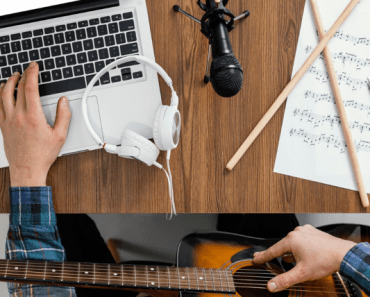
My heart always used to do this weird little skip back in the golden days of Omegle, just before I clicked the “Start” button. We would sit there staring at our own webcam feeds, trying to make sure our rooms didn’t look like a disaster zone before a stranger popped up. You never really knew if you’d get a guy playing acoustic guitar, a troll in a weird mask, or just a grainy view of someone’s ceiling fan on an app like OmeTV or CooMeet.
Lately, though, I’ve noticed a massive shift in how we meet people online. A lot of users are ditching the camera, and voice-only chatting is having a huge comeback. I get it, because sometimes you just want to talk without worrying about your bedhead or your background lighting.
So if you’re trying to figure out how to spend your Friday night and want to make a real connection, which format is better? I’ve spent an embarrassing amount of time testing both sides of this debate over the years. Here is the truth about how video and voice platforms compare when you just want to talk to someone new with Camzey.
The Raw, Chaotic Energy of Video Chat
There is nothing quite like the instant energy of a live video feed. When you connect with someone on a visual platform, you aren’t just getting their words. You are getting their whole CooMeet vibe immediately, from their facial expressions to the messy posters on their bedroom wall. You can instantly tell if they are bored out of their mind or genuinely excited to see you pop up.
I can’t tell you how many great conversations I started just because I noticed a cool band t-shirt on screen. Sometimes my cat decided to walk across my keyboard right as the chat connected, and that instantly broke the ice. The visual cues do a lot of the heavy lifting for you.
Here is why video chat still rules for a lot of people:
- Instant vibe checks: You know within three seconds if you want to talk to this person. You can read their face and immediately decide if they match your energy.
- Body language matters: A sarcastic joke lands way better when you can actually see the person smirking. Deadpan humor just survives better on video.
- Visual icebreakers: You never run out of things to say when you can see their background. Even a weird lamp can start a twenty-minute conversation.
Even with all those perks, video chat is undeniably exhausting. You have to be “on” the entire time, sit up straight, and make sure you don’t look like a swamp monster. Sometimes, I just don’t have the social battery for that kind of performance.
OmeTV as the Leading Omegle Alternative
Since the older wild-west platforms shut down, OmeTV has basically taken over the casual video space. It is fast, heavily driven by mobile users, and connects you in a split second. The culture there, however, can be pretty brutal if you aren’t prepared for it.
It is an adrenaline rush, but people’s fingers are always hovering over that “Next” button. If you don’t say something funny, hold up a cute pet, or look interesting within the first five seconds, you are going to get skipped. You have to develop a really thick skin and learn not to take the instant rejections personally if you want to enjoy the platform.
The Zero-Pressure Magic of Voice Only
This is where voice-only apps shine and why I think they are taking over. Think about the last time you were on a regular phone call with a good friend. You were probably pacing around your kitchen, doing dishes, or laying flat on your back staring at the ceiling. Voice chat brings that exact same relaxed, cozy energy to meeting strangers.
The best part is the lack of pressure to perform. You don’t need to dress up, buy a ring light, or clean your room before you start talking. Some of the best conversations I’ve ever had with random people happened while I was wearing awful sweatpants and sitting in the dark.
Without visual distractions, you are forced to listen to what the other person is saying. It strips away all the snap judgments we usually make based on how someone looks or dresses. Plus, there’s a weird psychological trick where people tend to get deeper and more vulnerable much faster when they can’t physically see each other. It feels a bit like confessing secrets in the dark at a childhood sleepover.
Is CooMeet Safe?
We have to talk about safety, because you can’t discuss talking to strangers on the internet without addressing the giant elephant in the room. Video chat has a massive, undeniable problem with inappropriate behavior. For years, clicking “Next” on random sites meant bracing yourself to see something gross. It is just a harsh reality of giving anonymous people a live camera feed.
Voice chat is inherently safer just by design. Sure, you might run into someone who breathes weirdly into the microphone or says something rude. But you can just disconnect, and you don’t have an unwanted visual permanently burned into your brain. For a lot of women especially, voice-only platforms feel like a much safer sandbox to play in because you can drop your guard slightly without being visually perceived.
Newer video platforms are trying hard to fix this bad reputation and make cameras safe again. This brings up a common question: Is CooMeet safe compared to the older sites? CooMeet uses a strict moderation system and focuses heavily on verified connections to keep the creeps out. The platform is designed specifically to filter out bad actors and ensure you are talking to real people who want normal conversations. It is a huge step up from the lawless days of the early internet.
Voice vs. Video Chat
Here is the thing about the pacing of these two formats—they attract very different types of interactions. The way a conversation flows depends entirely on whether or not a camera is involved.
- The Video Chat Rush: Visual platforms operate on a tight timer. You have a few seconds to prove you are entertaining before the other person clicks skip. It forces you to be punchy, quick, and engaging right out of the gate. Awkward silence on video almost always results in a disconnected chat.
- The Slow Voice Burn: Voice chats are much slower, and people seem more willing to let a conversation breathe. You can endure a few seconds of quiet on a voice call without someone immediately ending the chat, which gives you time to find a topic you both care about.
- The Audio Delay Dance: Voice still has its own annoying quirks. Have you ever tried to talk over someone when there’s a slight audio delay? It is a brutal dance where you both start talking, you both stop, and then you both start talking again. Without visual cues to show you’re about to open your mouth, voice chats can feel clunky until you find a natural rhythm.
Which Format Actually Wins?
After hundreds of hours spent testing these different digital waters, my preference depends entirely on my mood that specific day. If it’s a Saturday afternoon, I’m feeling social, and I want fast-paced, spontaneous interactions, I am definitely firing up my webcam. The visual platforms are unmatched for pure entertainment value, and the sheer variety of humanity you see is hilarious.
But if it’s 11 PM on a Tuesday, I’m tired from work, and I just want to hear a friendly human voice? Voice-only wins every single time. It is intimate, relaxing, and vastly less stressful than staring at yourself in a webcam preview. Both methods offer something we are all secretly looking for: a quick, no-strings-attached connection with another human being.
Whether you decide to brave the visual chaos of an Omegle alternative like OmeTV, test a moderated space like CooMeet, or hide out in a cozy anonymous voice room, the internet is packed with people who just want to talk. You just have to be brave enough to hit the connect button and say hello. What about you? Do you prefer having your camera on, or are you strictly a voice-chat kind of person? Drop a comment below and let me know which side of the debate you land on!