
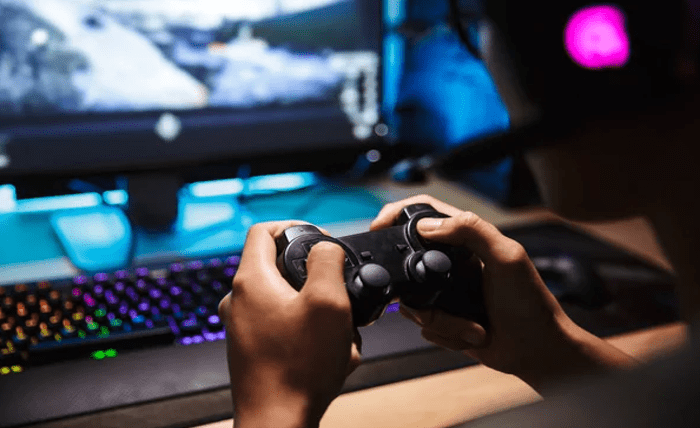
Have you ever noticed how the same online game can feel completely different depending on who is playing it?
One player may enjoy fast matches and quick rewards. Another may spend hours exploring or building. Someone else may log in just to talk with friends. Online gaming works well for many people because it adjusts to these different styles instead of forcing everyone into one way of playing.
This flexibility is one of the main reasons online gaming continues to attract players from different backgrounds, age groups, and regions.
Why Player Differences Matter
Every player brings their own habits, goals, and time limits. Some have long free evenings. Others only have short breaks. Some like competition. Others prefer calm, low-pressure play.
Online games grow because they recognize these differences and provide options.
Common Differences Between Players
Players may vary in:
- Available time (short vs long sessions).
- Skill level (beginner to experienced).
- Purpose (fun, competition, social time).
- Device (mobile, computer, shared devices).
- Play style (fast, slow, creative, strategic).
Instead of limiting players, modern สล็อตเว็บตรง online games often offer multiple ways to take part.
Flexible Game Modes for Different Needs
One of the simplest ways games adapt is through different modes. These modes allow players to choose how they want to play.
Types of Game Modes
Games often include:
- Quick matches – Short sessions for players with limited time.
- Ranked modes – Competitive play for those who want to improve.
- Practice or training modes – Safe spaces for beginners.
- Co-op modes – Team-based play with friends.
- Solo modes – Independent play without pressure from others.
Difficulty Levels Support All Skill Levels
Not every player starts with the same experience. Some are new to gaming, while others have years of practice.
Online games adjust by offering different difficulty levels or matching players with others at a similar skill level.
How Difficulty Adjustments Help
- Beginners can learn without feeling overwhelmed.
- Intermediate players can improve steadily.
- Advanced players can stay challenged.
- Matches feel more balanced and fair.
Personalization Makes the Experience Feel Unique
Players like to feel that their game reflects their own style. Personalization helps make that possible.
Common Personalization Features
Players can often:
- Customize characters (appearance, outfits).
- Choose control settings.
- Adjust sound and display options.
- Pick preferred play styles or roles.
- Set language and communication preferences.
Social Features Support Different Interaction Styles
Not all players want the same level of interaction. Some enjoy active conversation, while others prefer quiet play.
Online games include tools that support both.
Types of Social Options
- Voice chat for real-time communication.
- Text chat for simple messages.
- Quick commands or symbols for fast teamwork.
- Friend lists for private play.
- Mute or privacy settings for quiet sessions.
Time-Friendly Design Fits Busy Schedules
Modern life can be busy, so FAFA828 games often adapt to different time limits.
Short and Long Session Options
Games support:
- Short sessions – Quick tasks, daily rewards, small matches.
- Long sessions – Extended missions, team events, deeper play.
Daily Progress Systems
Many games include small daily goals such as:
- Logging in once a day.
- Completing simple tasks.
- Earning small rewards.
Device Compatibility Expands Access
Players use different devices depending on what they have available. Some use phones, others use computers, and some share devices with family or friends.
Online games adapt by working across multiple devices.
How Device Support Helps
- Mobile users can play anywhere.
- Computer users can enjoy detailed controls.
- Players with basic devices can access lighter versions.
- Shared devices allow more people to try games.
Learning Support Helps New Players Start Easily
New players may feel unsure at the beginning. Games reduce this problem by guiding them step by step.
Beginner-Friendly Features
- Simple tutorials at the start.
- Practice modes with no pressure.
- Clear instructions and tips.
- Gradual introduction of features.
Rewards Motivate Different Player Goals
Players enjoy different types of rewards. Some like collecting items. Others prefer ranking higher. Some enjoy completing tasks.
Types of Rewards
- Points and levels.
- Achievements and badges.
- Unlockable items.
- Daily bonuses.
- Progress tracking.
Creative Options Attract Non-Competitive Players
Not every player enjoys competition. Some prefer creative or relaxed activities.
Creative Play Features
- Building and designing spaces.
- Customizing characters.
- Exploring environments.
- Completing relaxed challenges.
Regional Adaptation Supports Global Players
Online gaming reaches many regions, and player habits differ across locations. Games adapt by adjusting to local needs.
Examples of Regional Adaptation
- Language options for easier understanding.
- Support for different internet speeds.
- Game modes that work well on mobile devices.
- Features that match local play habits.
Community Systems Keep Players Connected
Communities help players stay active. Online games often include ways for players to form groups and share experiences.
Community Features
- Friends lists and teams.
- Group events.
- Shared goals.
- Online discussions.
Summary of How Games Adapt
| Player Type | How Games Adapt |
| Casual players | Quick matches, simple tasks |
| Competitive players | Ranked modes, skill-based matching |
| Social players | Chat tools, team modes |
| Creative players | Customization, building options |
| Busy players | Short sessions, daily rewards |
| New players | Tutorials, practice modes |
Final Thoughts
Online gaming adapts to different types of players by offering choice, flexibility, and comfort. Players can decide how long to play, how to interact, and what goals to follow.
Some prefer short, relaxed sessions. Others enjoy long, focused play. Some play to win. Others play to connect or create. All of these styles can exist in the same environment.


