It’s a heavy title, but the silent thief of sight fits glaucoma perfectly. It is quiet, sneaky, and often goes completely unnoticed until it’s already started taking a toll. Most people don’t realize anything is wrong until their vision has already begun to slip away, and that’s the hardest part about this condition. Once that vision loss happens, you can’t really get it back.
It is precisely the reason as to why the early diagnosis and application of glaucoma treatment are so essential. We can even save your eyesight and your quality of life in the long term when we notice increasing eye pressure and get it down to a reasonable level.
Why Catching It Early Matters
In other words, glaucoma represents a set of eye disorders that cause excessive strain on the optic nerve, often due to high intraocular pressure. There are people who we tend to be more vulnerable than others, particularly when we grow older or when it is in the family. Such other factors as diabetes or a long-term use of steroids may contribute as well.
The reason doctors push for early detection is pretty straightforward:
- Vision loss from glaucoma is permanent.
- Symptoms usually don’t show up until the damage is already quite deep.
- Early-stage treatment is significantly more effective.
Regular check-ups of the eyes can identify these minute crunches of pressure and the alterations of nerves way before you can notice that your vision is not the same as it was before. In any case, it is better to prevent than to attempt to react on a loss that is already in the books.
How Timely Treatment Protects Your Sight
When a physician makes a diagnosis, it is just a matter of decreasing that eye pressure with the goal of preserving the optic nerve intact. The most appropriate way to prevent the disease from progressing is to initiate the treatment of glaucoma as early as possible.
There are a few ways your doctor might handle this. Medicated eye drops are very common and work well to reduce pressure. Some people might benefit from laser therapy to help the fluid in the eye drain better. In more advanced or stubborn cases, there are surgical procedures that can help.
When you start early and keep a close eye on things, you can often keep your vision stable for life. It just takes a bit of commitment to those long-term follow-ups.
Supporting Your Eyes Through Daily Habits
While your medical team handles the clinical side, you can do quite a bit at home to support your eyes. Diet alone won’t treat glaucoma, but choosing the right food for eye health can definitely give your body an edge.
In fact, you might want to load up your grocery cart with:
- Leafy greens like spinach or kale (they’re packed with antioxidants).
- Oily fish, like salmon, for those omega-3 fatty acids.
- Bright fruits and veggies high in vitamins A, C, and E.
It is also very useful in monitoring your blood pressure and sugar levels. It is also important to remain active and not to smoke. These routines maintain healthy circulation as well as decreasing the overall strain to the optic nerves.
The Power of a Regular Eye Test
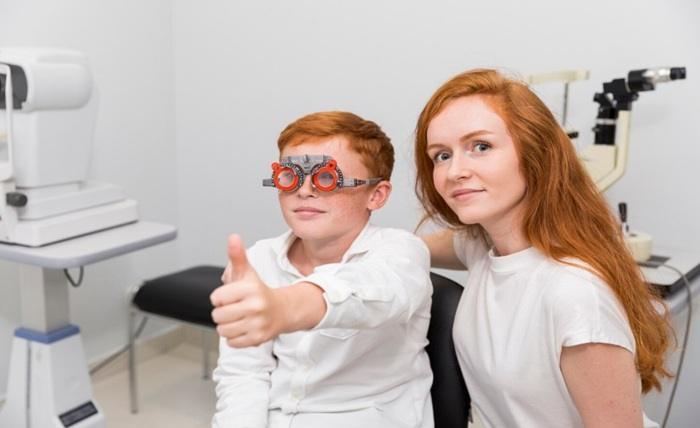
At the end of the day, the most powerful tool you have is a simple, comprehensive eye test. If you are over 40 or know you have some of those risk factors, you shouldn’t wait for your vision to feel “off” to book an appointment.
These eye check-ups are how we catch things before they start. It’s about monitoring that pressure and making quick adjustments to your plan if anything changes.
Early Action Keeps Your Vision Clear
Glaucoma does not necessarily result in blindness. Vision loss can be reduced or prevented when we bend forward towards early diagnosis and regular treatment of glaucoma. It is a matter of trying to be one step ahead. A combination of frequent check-ups and a well-balanced lifestyle is all you need to save your vision and keep it in the future.