
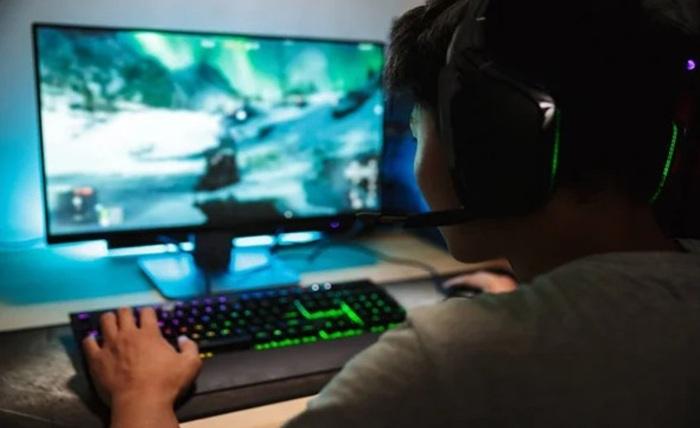
Have you ever started playing an online game alone, only to find yourself chatting with people from completely different parts of the world?
That’s one of the most interesting things about online gaming. What begins as a simple way to relax can turn into a shared experience filled with conversations, friendly competition, and unexpected connections.
But digital togetherness isn’t just about playing the same game. It’s about how people communicate, exchange ideas, and build communities around their interests. Understanding these connections can help players enjoy online gaming while maintaining healthy boundaries.
Why Online Gaming Feels More Social Than Before
Online games give people opportunities to interact without needing to share the same physical space. Whether someone enjoys multiplayer adventures, casual mobile games, or online slots, conversations about gaming can create a sense of belonging.
Small Interactions Can Build Real Connections
Not every gaming friendship begins with a long conversation. Sometimes, it’s something as simple as helping another player understand a feature or discussing a difficult challenge.
In multiplayer games, teamwork creates natural opportunities to communicate. Players share strategies, coordinate decisions, and celebrate achievements together.
Even games designed primarily for individual play can inspire conversations through forums, gaming groups, and online discussions.
Shared Interests Make Conversations Easier
Talking to strangers can feel awkward, but gaming provides an immediate topic. Players might discuss their favourite themes, compare interface designs, or ask questions about unfamiliar mechanics.
These conversations can be especially useful for beginners. Instead of trying to understand every feature independently, they can learn from other people’s experiences while checking important information themselves.
How Gaming Communities Connect Different Audiences
Gaming communities often bring together people with different languages, backgrounds, and preferences. Their common interest provides a starting point for communication.
However, not every gaming community works the same way. Understanding these differences helps newcomers choose spaces where they feel comfortable.
Gaming Conversations Cross Language Barriers
Gaming terminology often travels between languages and regions. For example, someone exploring Thai-language discussions might encounter สล็อต, a term commonly used for slot games. Although the language differs, conversations may still cover familiar subjects such as game themes, visual effects, and bonus mechanics.
Translation tools and multilingual forums can make these discussions easier to follow.
Still, players should confirm unfamiliar terms and game rules rather than relying entirely on translated comments.
Community Recommendations Need Careful Evaluation
Gaming communities regularly exchange opinions about platforms, games, and features.
Someone might mention SAWA888 during a conversation about online gaming options. However, seeing a platform name repeatedly doesn’t establish whether it is reliable, legally available, or appropriate for someone to use.
Before considering any unfamiliar gaming platform, users should check:
- Whether the service operates legally in their location.
- What its privacy policy says about personal information.
- Whether payment and withdrawal conditions are clearly explained.
- Whether customer support and account security information are available.
What Makes Digital Gaming Communities Enjoyable?
A welcoming gaming community isn’t necessarily the largest or most active. What matters is whether people can participate comfortably, ask questions, and interact respectfully.
A few simple habits can improve the experience:
- Choose suitable groups: Look for communities discussing games and subjects that genuinely interest you.
- Respect different experience levels: Beginners shouldn’t feel embarrassed about asking basic questions.
- Protect personal information: Avoid sharing passwords, financial details, or private account information.
- Recognise suspicious messages: Unexpected payment requests, unfamiliar links, and promises of guaranteed rewards deserve caution.
- Avoid unnecessary arguments: Disagreements about games are normal, but personal attacks rarely lead anywhere useful.
Finding the Right Balance Between Connection and Entertainment
Social features can make gaming more engaging, but they can also make it harder to recognise when it’s time to stop.
For example, someone may continue playing because friends are still online, even after their planned gaming session has ended.
Setting a reasonable time limit before starting helps prevent this.
For real-money gaming, financial boundaries matter just as much. Slot results are random, and another player’s winning experience cannot predict future outcomes. RTP describes a game’s theoretical long-term return, not what someone should expect during an individual session.
Players should set spending limits, avoid chasing losses, and never treat gambling as a source of income.
Conclusion
Digital togetherness has added an important social dimension to online gaming. People can exchange ideas, develop friendships, and discover different gaming experiences without being in the same location.
The most rewarding communities encourage useful conversations, respect personal boundaries, and allow everyone to participate comfortably.
Ultimately, online gaming works best when people enjoy both the entertainment and the connections it creates, without allowing either to interfere with their everyday responsibilities.


