A preschool classroom may look colorful and cheerful at first glance, yet healthy child development depends on much deeper factors than bright walls and playful toys. Parents across Pune now pay closer attention to emotional comfort, teacher interaction, communication habits, and classroom routines before finalizing admissions. Early childhood experiences strongly influence confidence, behavior, social adjustment, and learning habits during later school years. This article explains the signs that help families identify supportive preschool environments and why these details matter for a child’s emotional, physical, and intellectual development.
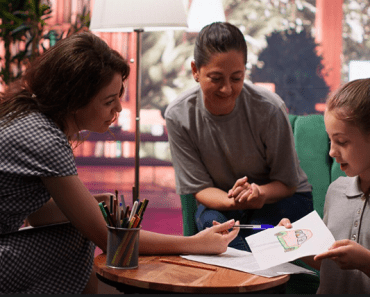
Warm Teacher Interaction Builds Emotional Security
Children usually adjust faster when teachers create calm and emotionally supportive classroom environments. Many parents exploring a preschool in Pune observe how educators respond to children during ordinary classroom moments instead of structured admission tours alone.
Calm Communication Style
Teachers who speak patiently and respectfully help children feel emotionally secure during classroom interaction. Gentle communication reduces fear and hesitation among young learners.
Positive Response To Mistakes
Children learn confidently when small mistakes receive encouragement instead of criticism. Supportive correction helps emotional growth during early education.
Comfort During Separation
Experienced teachers know how to comfort children who struggle during initial school transitions. Emotional reassurance improves adjustment significantly during early preschool months.
Healthy Classroom Tone
Warm classrooms usually feel relaxed instead of overly controlled. Children participate more naturally when emotional pressure remains low during activities.
Play-based Learning Encourages Natural Development
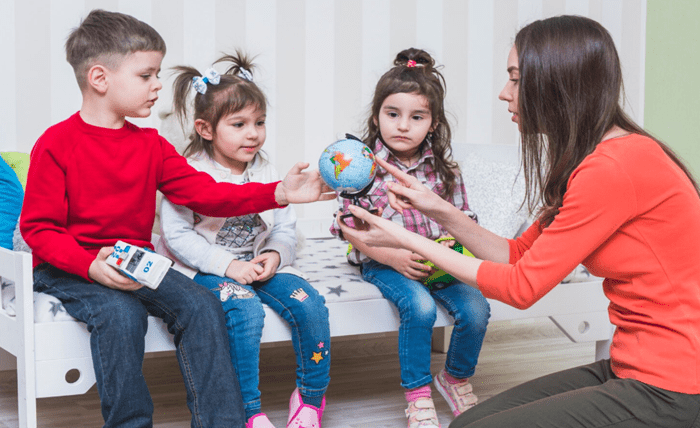
Young children usually learn better through guided play instead of strict academic pressure. Many of the best pre schools in Pune now balance structured learning with activities that encourage creativity, communication, and independent thinking.
Creative Activity Corners
Art stations, pretend play areas, and storytelling corners support imagination and emotional expression during classroom time.
Movement-based Activities
Physical movement improves coordination, confidence, and classroom engagement among preschool children. Active routines also support emotional balance.
Social Play Opportunities
Children strengthen communication habits naturally through collaborative games and shared classroom activities with classmates.
Curiosity-driven Exploration
Classrooms that encourage questions and observation usually help children remain interested in learning during early childhood education.
Healthy Routines Reflect Strong Preschool Structure
Preschool children usually feel more comfortable when daily routines remain predictable and balanced. Consistent schedules help children understand classroom expectations while reducing emotional stress during transitions.
Meal times, activity sessions, outdoor play, and quiet periods should follow organized patterns without feeling rigid. Structured routines also help children develop self-discipline gradually through repetition and familiarity. Families across Pune increasingly examine classroom rhythm because balanced preschool schedules influence emotional stability and healthier learning habits during important developmental years.
Social Interaction Reveals Development Quality
Children develop important emotional and social skills during early classroom interaction with teachers and classmates. Preschool environments should encourage cooperation, patience, listening habits, and respectful communication naturally throughout daily activities.
Several of the best pre-schools in Pune receive positive attention because they support emotional confidence alongside academic readiness. Children who feel socially comfortable usually participate more actively during activities and classroom conversations. Parents, therefore, benefit from observing how children interact during free play instead of focusing only on academic demonstrations during school visits.
Classroom Freedom Encourages Independent Habits
Children gradually build confidence when classrooms encourage small, independent decisions during daily routines. Preschool environments should allow children opportunities to choose activities, organize belongings, and participate comfortably without constant correction.
Simple independence-building habits may include selecting books, managing play materials, or participating in group discussions. These experiences strengthen confidence and responsibility naturally during early childhood. Many parents researching a preschool in Pune now value classrooms where children receive balanced freedom instead of heavily controlled academic environments throughout every activity.
Parent Communication Reflects Preschool Transparency
Strong preschool environments usually maintain regular and honest communication with families throughout the academic year. Parents feel more confident when teachers discuss classroom behavior, emotional adjustment, and developmental progress clearly during interactions.
Healthy communication practices may include:
- Regular classroom progress discussions
- Honest updates about emotional adjustment
- Guidance regarding behavior patterns at home
- Feedback about communication and social growth
Transparent parent communication helps families support children more effectively during important preschool development stages.
Balanced Preschool Environments Support Long-term Growth
Healthy child development depends heavily on emotional comfort, supportive guidance, social interaction, and balanced classroom experiences during early education. Families across Pune now observe teacher behavior, classroom routines, communication quality, and emotional support systems carefully before admissions. Parents exploring a preschool should focus on how children actually experience classroom life instead of relying only on facilities or promotional presentations. Supportive preschool environments help children build confidence, curiosity, communication skills, and emotional security that continue shaping development long after early childhood education ends.